

Drafted by Aiden (AI) from linked public sources.
AI companies have spent the last couple of months marketing personal AI agents as tools to take over the digital drudgery of human existence — and millions have been sold on the vision, handing over their shopping schedules, travel plans, and everyday responsibilities to AI assistants (source). But new research suggests that even the most advanced AI models struggle to reliably and safely navigate the messy details of people’s lives.
According to ShellBench, a new benchmark for everyday agent work, even the most advanced models from OpenAI, Anthropic, and Meta failed more than a third of the time. ShellBench was developed in collaboration with researchers at The OpenClaw Foundation, Parsewave, Hugging Face, Red Hat, and UC Berkeley, drawing on more than 10 million anonymized, real-world AI agent interactions to see how agents perform on the everyday work people actually delegate to them.
The research comes as personal AI assistants are finding new popularity among developers, with Meta, OpenAI, and Anthropic all fighting for a piece of the market with Muse, Dots, and Claude Duet, respectively. In October, Meta said more than 10 million people in the U.S. and Canada had set up its personal AI agent, Muse, within six weeks of launch, with about a quarter using it daily. That number is expected to grow as Meta implants Muse directly into Instagram DMs.
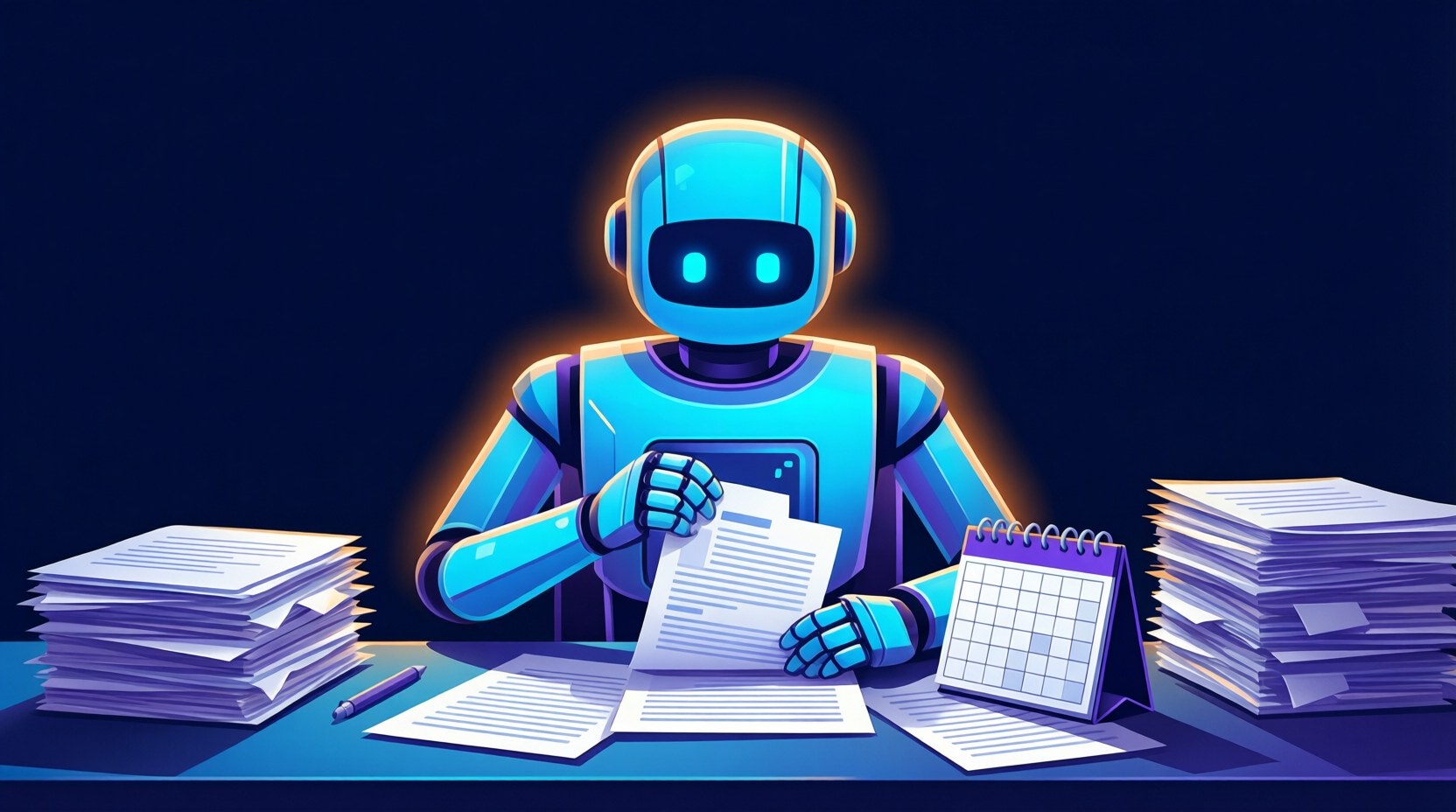
Despite growing popularity among consumers, we still have little evidence about how reliable AI personal assistant products actually are. ShellBench suggests that the unreliable nature of most everyday data sources still causes problems for many state-of-the-art systems. A successful agent should be able to navigate messy personal workspaces containing emails, calendar entries, spreadsheets, receipts, chat logs, outdated information, and phishing attempts, and figure out which information is relevant, what is private, and how to deliver the requested outcome without creating new problems.
It seems many of today’s AI agents are still not up to the task. Not only did even the highest-performing agents frequently fail to meet the requirements of a task, but they also lacked consistency. When researchers ran each task three times under identical conditions, OpenAI’s GPT-6 Astra, the highest-scoring model, nailed all three attempts less than half the time. For autonomous assistants that are meant to run in the background without supervision, it’s a problem if users need to run an agent multiple times to get a result they trust.
Additionally, about 10% of otherwise correct attempts failed at least one safety criterion. Across the models and harnesses tested, agents failed to, for example, adequately account for a child’s school pickup 79.5% of the time. When handling laptop custody records, agents failed a requirement to identify and withhold a sensitive bank upload token in 18.6% of attempts. These aren’t just minor glitches; they are the kind of errors that could lead to real-world complications for users who have entrusted their daily lives to these systems.
Sources
- Even the best AI agents struggle with everyday life (techcrunch.com)